Finley Lorenz · 31 August 2026
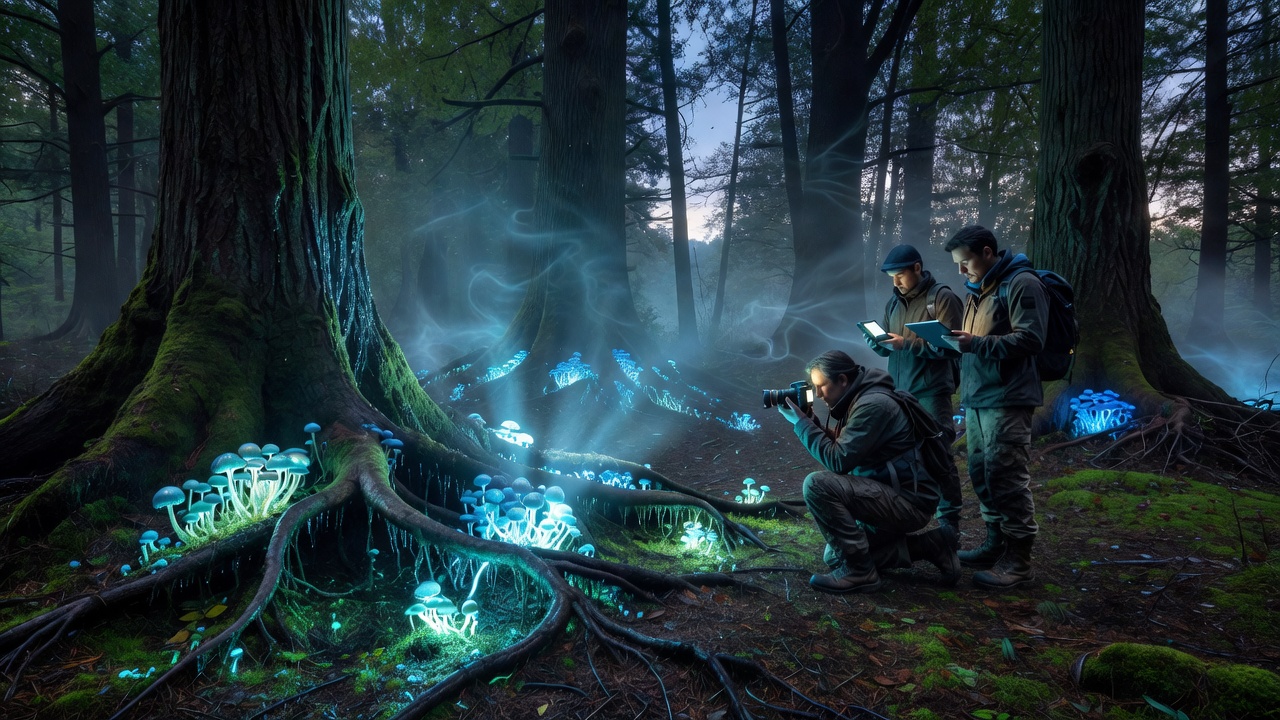
Researchers at Lumenwald monitoring stations have documented multiple bioluminescent surges in the forest core over the past two weeks. Light emissions peaked at 470 nanometers, with intensity levels reaching 180 lux for durations of up to four hours after midnight. Data loggers positioned at 12 sites recorded synchronized pulses across a 3.8-kilometer radius, coinciding with a 12 percent rise in soil moisture following recent rainfall.
Instrumentation and Measurement Results
High-resolution spectrometers and motion-triggered cameras captured the events without external light interference. Peak emissions originated from clusters of mycorrhizal networks near old-growth cedar roots, where luciferase-like compounds appear to activate under specific humidity thresholds above 85 percent. Temperature readings remained stable between 14 and 16 degrees Celsius during surges, ruling out thermal triggers. Comparative analysis with baseline data from the prior six months shows these events exceed normal output by a factor of 4.2. Satellite imagery confirmed no visible canopy disturbance, indicating the phenomenon remains confined to understory and root zones.
Ecological Context and Ongoing Studies
Scientists note that similar but weaker pulses have occurred seasonally since 2019, yet the current scale suggests an amplified response possibly linked to microbial population growth. Soil samples collected post-surge reveal elevated concentrations of phosphorescent bacteria strains previously undocumented in the region. Long-term transects will track whether these surges influence seed germination rates or invertebrate activity patterns. Monitoring continues with expanded sensor arrays to determine if the pattern repeats on a lunar cycle or responds to atmospheric pressure changes. No evidence of environmental stress has been detected in surrounding flora at this stage.